AI for Appointment Scheduling: Efficiency, Accuracy, and Growth
Discover how AI for appointment scheduling boosts efficiency, reduces no-shows, and transforms customer engagement.
By Ai Calling AgentPublished Updated

The modern business world demands speed, precision, and customer convenience. Traditional methods of managing appointments often create bottlenecks, errors, and missed opportunities. That is where AI for appointment scheduling steps in, offering a streamlined, intelligent, and automated solution.
This article explores how AI is transforming scheduling systems, the key benefits it brings, the technology behind it, and smart strategies for implementation.
What Is AI for Appointment Scheduling?
AI for appointment scheduling is the use of artificial intelligence to automate and optimize the process of booking, managing, and confirming appointments. Unlike traditional systems, AI-driven platforms learn from data, adapt to customer behavior, and manage complex scheduling tasks in real time.
This technology not only replaces manual booking but also integrates with business communication channels like phone calls, websites, and chat systems. The result is a system that enhances both customer experience and staff efficiency. If you specifically want the phone-call mechanics — what an AI agent actually says and does on a booking call — see voice AI for appointment bookings; this guide covers the wider picture across every channel a customer might use.
Which Channel Should Handle Which Booking?
Not every channel suits every appointment type. A rough guide for where to route bookings first:
| Channel | Best For | Weakest For |
|---|---|---|
| Phone / voice | Urgent or ambiguous requests, callers unsure of availability | Simple, repeat bookings a customer could self-serve |
| Web form / chat | Self-service, repeat customers who know exactly what they want | Anyone who abandons a form when their preferred time isn’t shown |
| SMS reminders | Confirmations and no-show reduction, not the initial booking | First-time bookings requiring back-and-forth |
Most businesses end up running all three together — a form for self-service, a voice agent for anyone who calls in instead, and SMS to close the loop on both.
How AI Scheduling Systems Work
AI-powered scheduling solutions follow a multi-step process to ensure seamless operations:
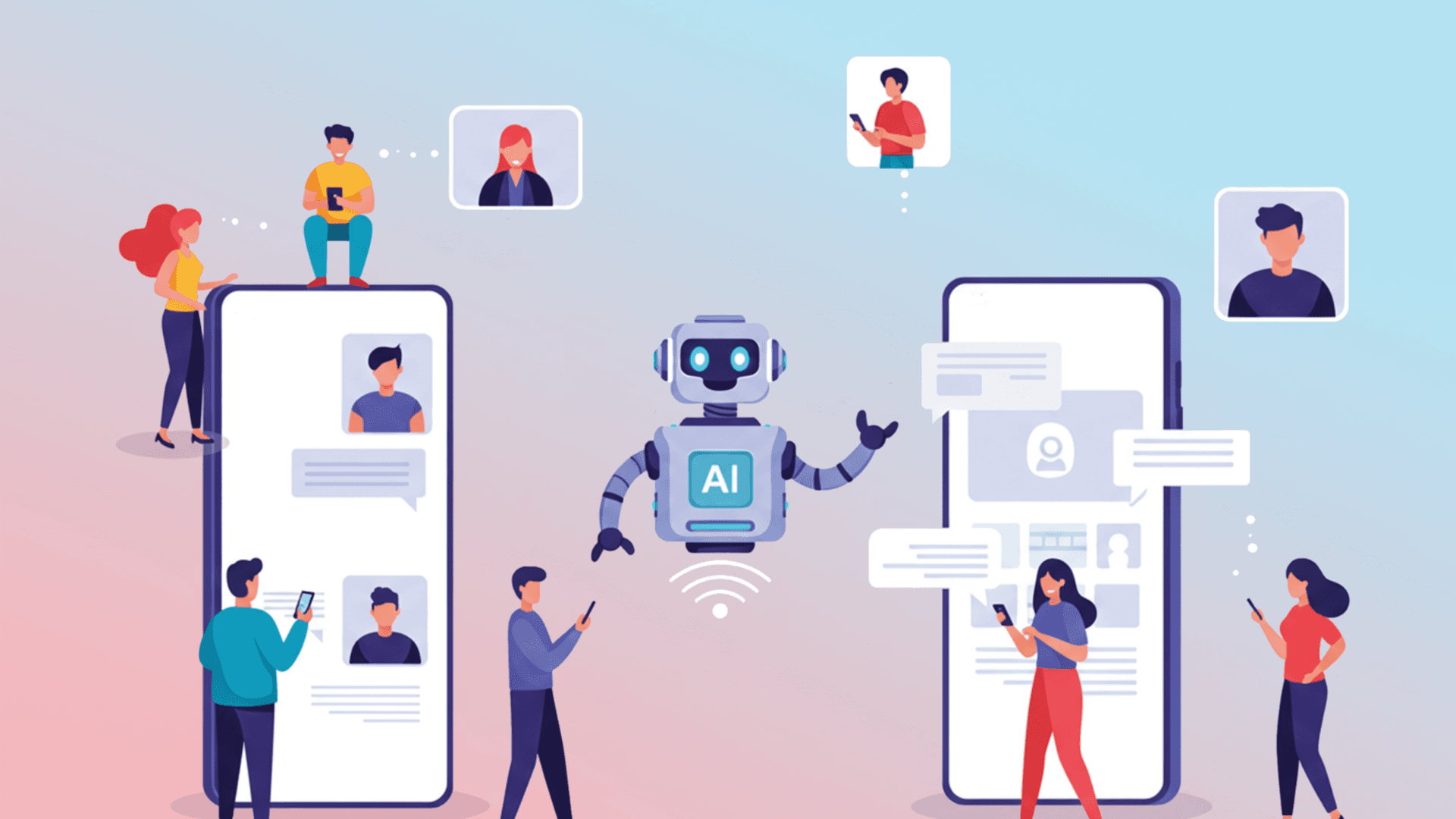
- Step 1: Customer Interaction
AI agents interact with customers through phone, chat, or online forms. Natural Language Processing (NLP) enables these agents to understand requests in real time. - Step 2: Intelligent Slot Matching
The system identifies the best available time slots by considering availability, preferences, and business rules. - Step 3: Automated Confirmation
Once a booking is selected, AI confirms the appointment instantly via email, SMS, or voice. - Step 4: Real-Time Adjustments
If customers reschedule or cancel, AI quickly updates the calendar and notifies both parties to prevent confusion. - Step 5: Continuous Optimization
AI learns from past bookings, customer habits, and peak demand times to refine scheduling over time.
Key Benefits of AI Appointment Scheduling
Adopting AI for appointment scheduling provides measurable advantages:
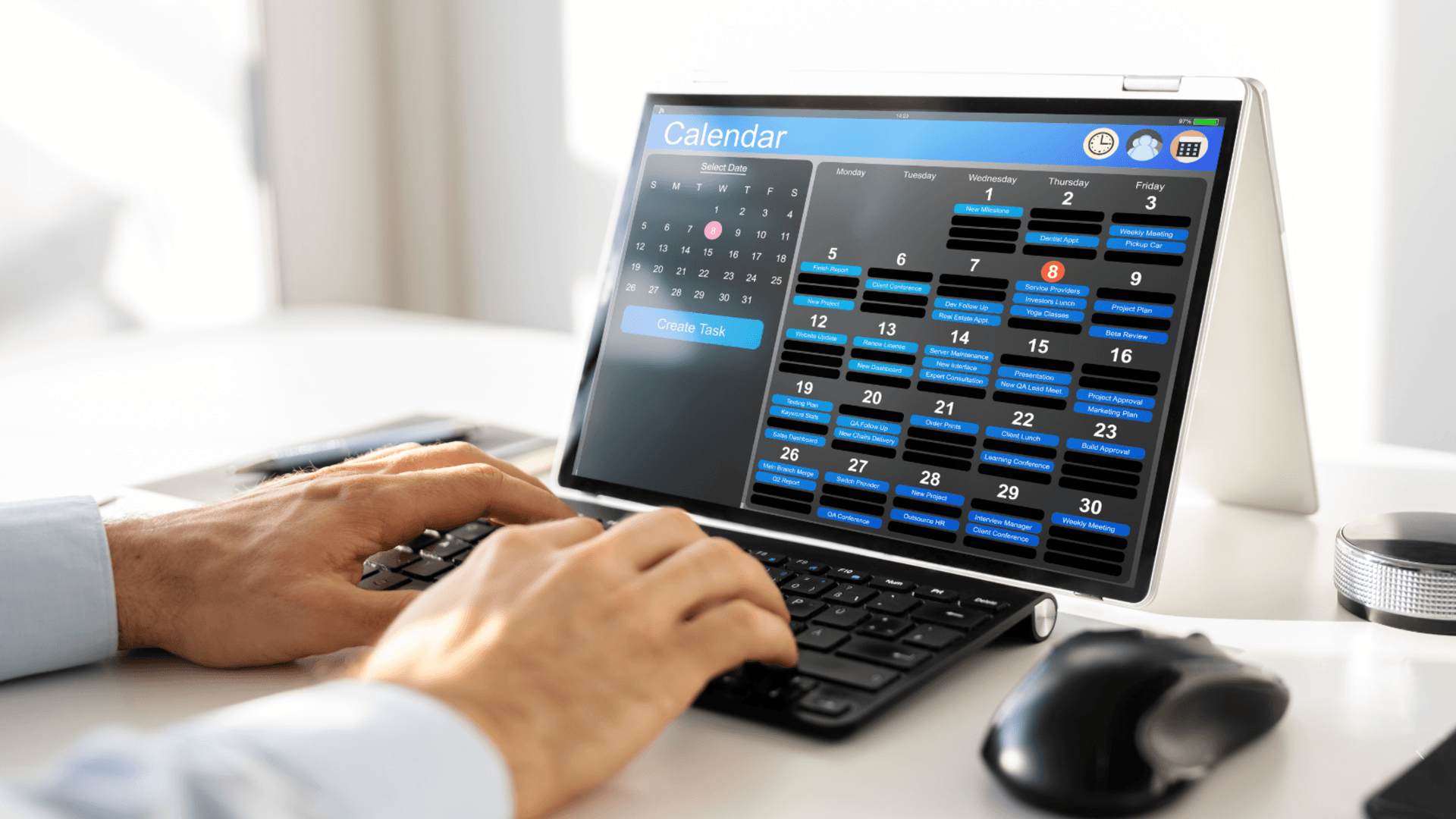
- Reduced No-Shows: Timely reminders minimize missed appointments and help businesses retain revenue.
- 24/7 Availability: Customers can book anytime, even outside of office hours, improving accessibility.
- Time Savings: Automation frees staff to concentrate on client service, sales, and other high-value tasks.
- Error-Free Bookings: Double-bookings and conflicts are eliminated, creating a smoother experience for both staff and clients.
- Scalability: As businesses grow, AI adapts to manage larger volumes seamlessly without additional staffing.
- Personalized Experience: AI tracks customer preferences and past bookings to deliver personalized scheduling suggestions.
- Improved Customer Satisfaction: Faster, more reliable scheduling creates positive impressions that encourage loyalty.
Together, these advantages make AI-powered scheduling a vital tool for efficiency, growth, and customer retention.
AI-Powered Tools and Features
Modern scheduling systems leverage several advanced features:
- Voice AI Agents – Handle phone-based booking requests with natural, human-like interactions.
- Calendar Integrations – Sync with Google Calendar and Outlook for accuracy.
- Predictive Analytics – Forecast demand and recommend staff allocation.
- Omnichannel Access – Provide booking options across websites, chatbots, and mobile apps.
- Automated Reminders – Send personalized notifications to reduce cancellations.
These tools make AI scheduling more flexible and responsive than traditional booking systems.
Best Practices for Businesses
Businesses can maximize results with the right strategies:
- Integrate with CRM: Sync AI scheduling tools with customer relationship systems for a unified view of client interactions.
- Offer Multiple Channels: Providing access via phone, web, apps, and chatbots improves convenience and customer adoption.
- Use Predictive Insights: Analyze booking patterns to anticipate demand and allocate resources effectively.
- Prioritize Security: Ensure AI systems comply with GDPR, HIPAA, or other data protection standards.
- Monitor Performance: Track KPIs such as booking efficiency, no-show rates, and customer feedback to refine the system.
- Train Staff: Equip employees to work alongside AI tools, ensuring smooth collaboration between automation and human service.
Challenges and Considerations
While powerful, AI for appointment scheduling requires careful adoption, like:
- Training Period – AI agents may need time to learn specific business rules.
- Implementation Costs – Initial setup can be higher than manual systems.
- Customer Adaptation – Some customers may prefer human interaction at first.
- Data Security – Protecting sensitive information is essential.
These challenges can be mitigated with robust tools, clear policies, and gradual adoption strategies.
Conclusion
AI is redefining how businesses manage appointments. By automating scheduling, reducing errors, and delivering personalized service, companies can achieve both efficiency and stronger customer loyalty. The technology not only eliminates repetitive tasks but also provides predictive insights that prepare businesses for future demand. With scalability, error-free bookings, and round-the-clock availability, AI makes scheduling more reliable and less stressful for both staff and clients. As industries continue to embrace digital transformation, AI for appointment scheduling is quickly becoming a necessity for growth-focused organizations.
Ready to see how Ai Call Center can transform your business? Try our AI appointment scheduling agent today or see AI voice agent pricing to find the perfect plan for your business.
Frequently Asked Questions
- What is AI for appointment scheduling?
- It's the use of artificial intelligence to automate and optimize booking, managing, and confirming appointments across whichever channel a customer prefers — phone, web, chat, or app — rather than handling each channel with a separate manual process.
- How does AI reduce no-shows?
- Automated reminders sent via SMS, email, or voice ahead of the appointment, with an easy one-tap reschedule or cancel option, catch most no-shows before they happen — far more reliably than a single reminder call from a busy front desk.
- Can AI scheduling integrate with calendars?
- Yes. AI systems sync with Google Calendar, Outlook, and other platforms for real-time availability, so a booking made on any channel updates the same calendar instantly.
- Is AI appointment scheduling secure?
- Reputable platforms follow strict data security protocols — encryption, access controls, and compliance with relevant regulations — to protect customer information across every channel it connects to.